
A Brand New Novel
Josephine Baker, the early-20th-century African-American dancer, comic, and singer–hugely famous in Paris. Did you know that she was also a spy for the French Resistance during WWII?

Josephine Baker, the early-20th-century African-American dancer, comic, and singer–hugely famous in Paris. Did you know that she was also a spy for the French Resistance during WWII?
Disappearing trans people from public view
It would have been hard not to notice the bag filling with urine on the seat beside my non-binary transgender visitor—a necessary accessory, they said, since fear of using the men’s restroom had destroyed their bladder.
“I’m just grateful that the pain is gone,” they said. “And that I didn’t get bladder cancer.”
UTIs and other bladder and kidney problems are quite common among transgender people, especially women. Transgender women are more than twice as likely to develop urinary tract infections than are cisgender women (29 percent vs. 12 percent). Fear of using the bathroom is a major reason why, and it’s why my visitor had to have their bladder removed. And now, laws restricting transgender, non-binary, and gender non-conforming people’s restroom use increases the risk that they’ll be attacked if they go.
When nature calls, we’re meant to answer. Urine contains toxins that, held in the bladder for long periods, can cause internal damage. Eight percent of transgender respondents to a 2022 Williams Institute poll said they’ve had a urinary tract or kidney infection due to avoiding public restrooms.
Sixty-eight percent of transgender people in a 2008 survey said they’d been denied access, verbally harassed, or physically assaulted at least once in their lifetime when trying to use the bathroom. Since this statistic records a lifetime of experiences, we can surmise that the number would be higher today.
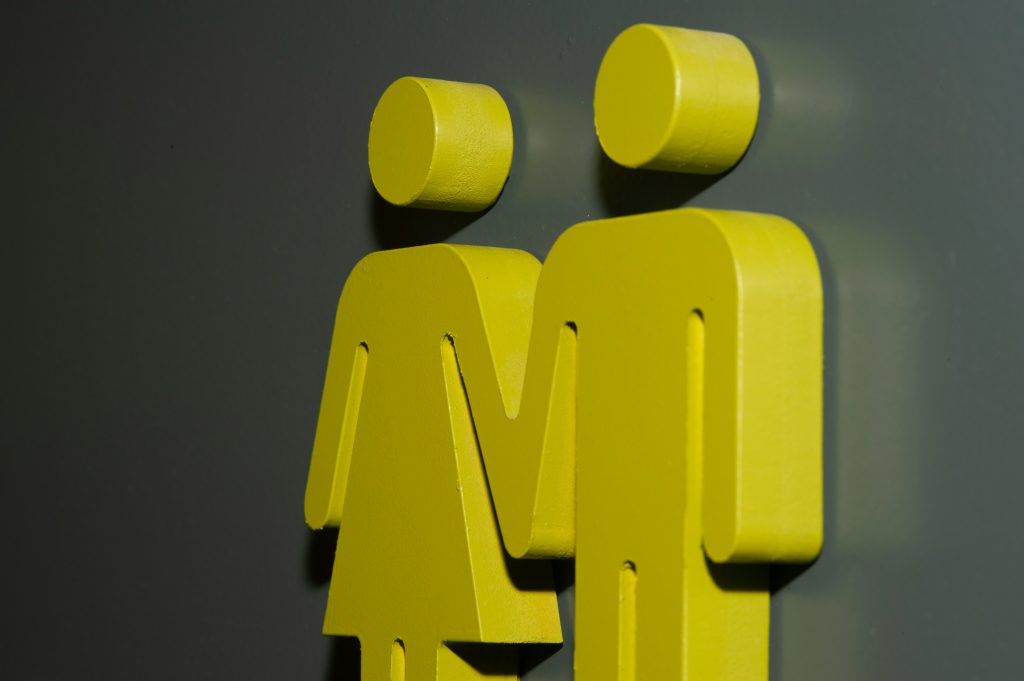
Scared if you do, sick if you don’t
Using the women’s room, where they feel (and, arguably, are) safer, can now get trans women thrown in jail in some states—where they’re also subject to assault from inmates and guards. The same is true for transgender men using men’s rooms.
In March 2026, Idaho—right in my back yard—passed “the most extreme anti-transgender bathroom ban in the nation,” as one activist put it. House Bill 752 requires people to use restrooms that correspond to their gender assigned at birth, with a penalty of up to one year in prison for the first violation and five years in federal prison for the second offense.
Rather than risk confrontation, assault, or arrest, trans people may opt out of going to the bathroom altogether.
When you’ve got to go, you’ve got to go. But can you imagine having no place to go—not because the facilities don’t exist, but because you could go to prison or get beat up if you try to use them?
Protection against what?
These laws and the lawmakers pushing them cite women’s safety and privacy as their reasons. But in fact, trans women do not attack or assault cisgender females in restrooms. It doesn’t happen. Passing these laws has no effect on cisgender people—but it does have a chilling effect on trans people.
Bathroom laws disappear trans people from our public spaces, including restaurants, theaters, sporting events, nightclubs, even churches. Fifty-nine percent of trans people said they avoid going out at all because they don’t feel safe using the restroom.
Trans people are more afraid of us than we are of them. They’re targeted for attack, abuse, and murder, when most just want to live their lives in the same way that anyone else does: authentically.
And yet, bathroom laws have another effect that one trans person told me is an even greater concern than UTIs, bladder cancer, or getting beat up in the toilet….
To read the rest of this post, go to my Substack. Become a free or paid subscriber and get access to all my posts about my books and issues related to them, as well as other compelling reads.